
We’re Skipping Chapters in the AI Story

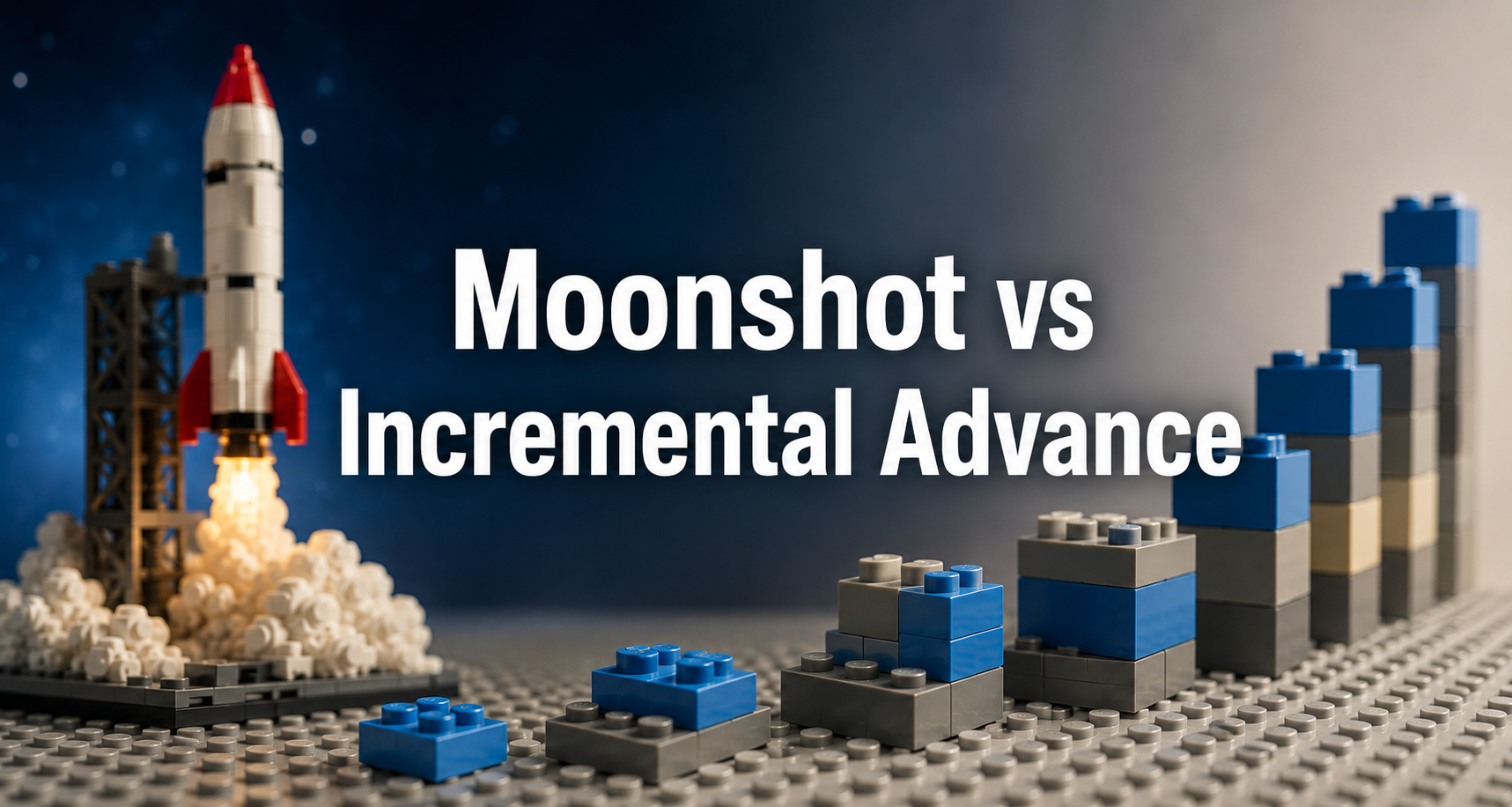
We’re skipping chapters in the book.
AI has quickly surpassed all the other buzzwords of the last 10-15 years as the one most cavalierly thrown into virtually every technical or strategic decision. While the long-term potential is profound, many organizations are falling into the trap of over-committing their energy to moonshot, sweeping transformational strategies without allowing their orgs to build the necessary foundation that will be needed for real success.
Obviously, big swings have their place, but it’s hard to imagine any org seeing long-term, sustained competitive success with AI without establishing real competency in their workforce.
Leaders will have to be careful in balancing huge, time-sensitive, projects that can shape their company’s competitiveness for years to come and the smaller scoped process of building AI skills into the DNA of how work is done.
On one hand, the people that you help develop practical AI skills today, along with the people that witness the small, AI-enabled, incremental process updates within their own jobs are the people that will give you tomorrow’s big ideas. On the other, when a high-risk, high-reward effort fails to yield the value that it promised, it can poison those same people into thinking that the promise of AI was hollow, creating resistance to the very actions that would likely impact the success of the next moonshot initiative.
Low AI competency → leadership-driven moonshot → disappointing results → organizational skepticism → resistance to AI → harder future transformation.
Conversely:
Broad AI competency → small practical wins → confidence and experience → employee-generated opportunities → better moonshots → greater likelihood of adoption.
There's a lot of people out there that don’t feel like they understand where they fit into all of this. A lot of those people play central roles in how your org overcomes the smaller challenges everyday that never make their way to a slide deck or proposal. These people cant just be the recipients of AI transformation, they have to be a part of creating it.
We can’t just jump to the end of the story, where everyone suddenly gets a magic AI answer to all of their problems. We should be putting in the work to create a culture that incentivizes the development of the comfort and skills necessary to apply these ideas practically AND in ways that will inspire the next big thing… not just hoping that a few AI specialists or ambitious strategists get it right.